Skip to content

Table of Contents
Noticing more hair on your pillow or a hairline creeping back a little further each year can raise a lot of questions. If you’ve started researching your options, you’ve probably come across two names again and again: PRP and hair transplants. Both are legitimate paths to healthier, fuller-looking hair, but they work in very different ways and suit different stages of hair loss.
Here’s how each treatment works, who tends to benefit most from each one, and how to think through the decision if you’re exploring hair restoration. The goal is to help you understand your options clearly, not to push you toward one option over another before you know the facts.
What is the main difference between PRP and a hair transplant?
PRP is a non-surgical treatment that strengthens and revives existing hair follicles, while a hair transplant is a surgical procedure that relocates healthy follicles to thinning or bald areas.
What Is PRP Hair Restoration?
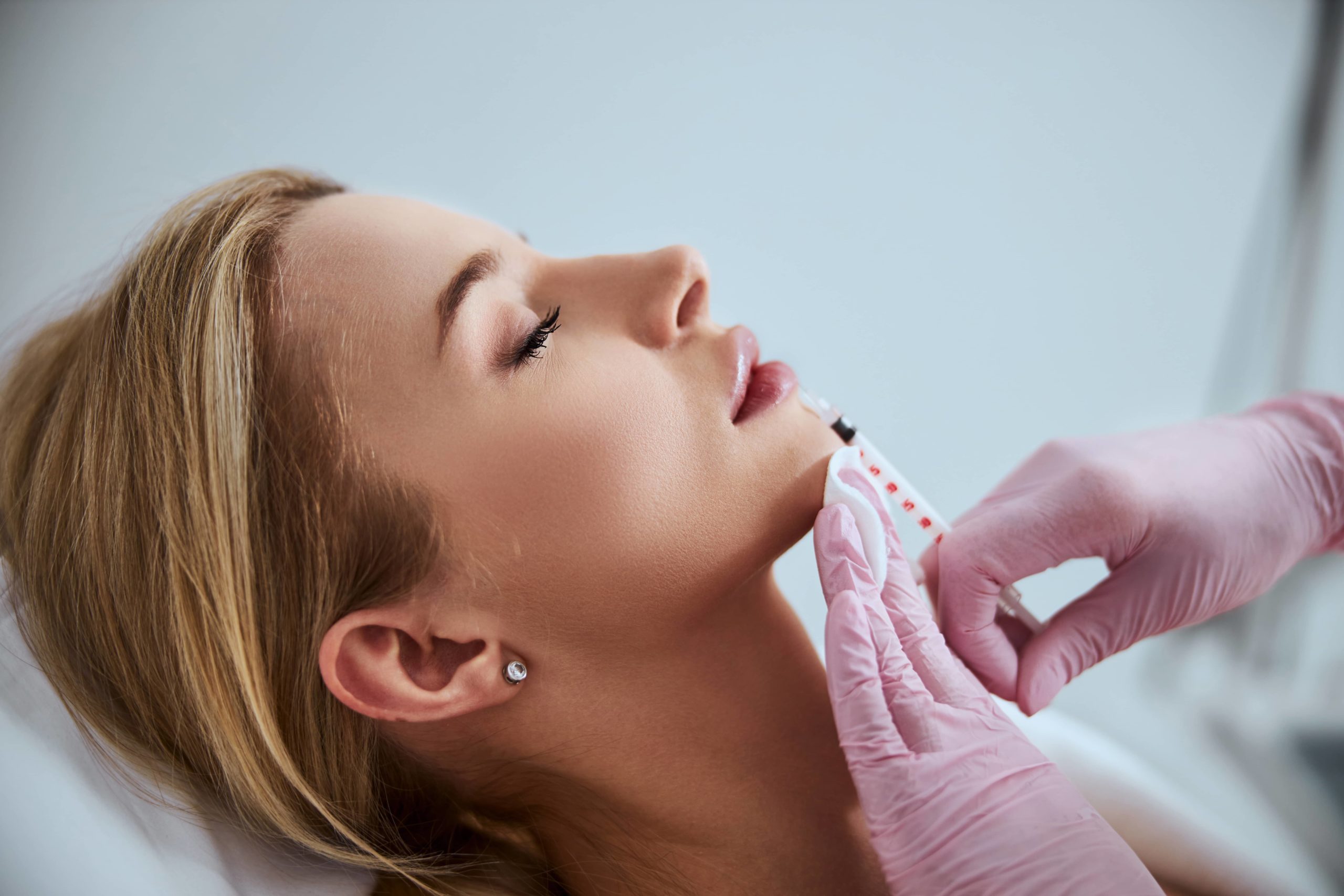
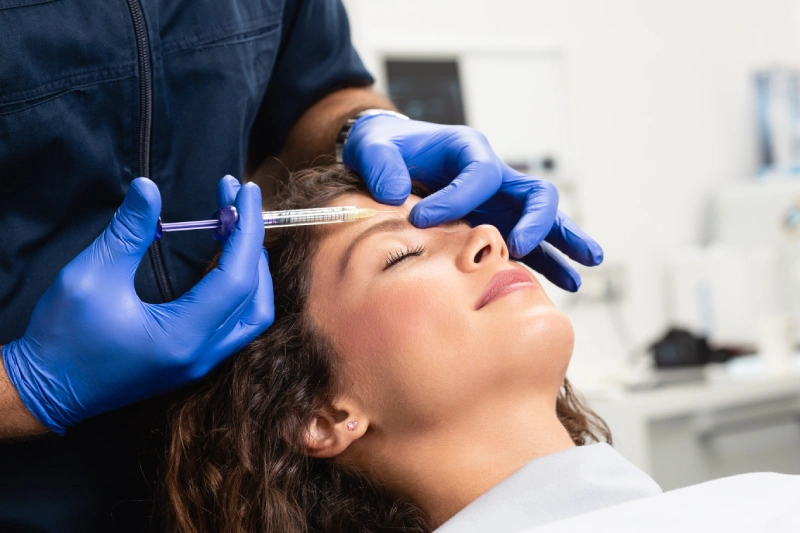
PRP, or platelet-rich plasma therapy, starts with a simple blood draw, similar to what you’d experience during routine bloodwork. That blood is then centrifuged to separate the platelet-rich plasma, which is packed with growth factors your body naturally uses to repair and regenerate tissue. That plasma is then injected directly into the scalp, targeting areas where hair has started to thin.
At CONTŌR, we take this a step further with an enhanced approach to regenerative hair restoration. Rather than relying on basic PRP alone, we use additional strategies to improve blood flow to the scalp and increase platelet and growth factor concentrations in each session. Some clients may also be a good fit for PRFM hair restoration, a more concentrated form of platelet therapy that can provide additional support for follicles that are still active but weakened.
What Is a Hair Transplant?
A hair transplant takes a different approach entirely. It’s a surgical procedure where healthy hair follicles are removed from a donor area, typically the back or sides of the scalp, and relocated to areas where hair has thinned significantly or stopped growing altogether. Because it physically moves follicles rather than stimulating existing ones, a transplant can offer more permanent results, especially in areas with little to no active hair growth.
That permanence comes with more involvement. Transplants are surgical, which means a longer recovery window and a greater upfront commitment than non-surgical treatments. This is really the core contrast between the two options, and it’s worth sitting with before you decide which direction feels right for you.
PRP vs Hair Transplant: Key Differences
When you put PRP vs hair transplant side by side, a few practical differences tend to matter most:
- Invasiveness and downtime: PRP is non-invasive with essentially no downtime, while a hair transplant is a surgical procedure with a recovery period.
- Ideal candidacy: PRP works best for early-stage thinning where follicles are still active. Transplants are generally better suited to more advanced hair loss or areas with little remaining growth.
- Results timeline: PRP results build gradually over a series of sessions. Transplant results also take time to mature, but the follicles themselves are placed in one procedure.
- Permanence: Transplanted follicles are typically permanent. PRP requires ongoing maintenance to sustain its benefits.
Neither option is inherently better. They’re simply designed for different starting points and different goals.
What to Expect From PRP: Results and a Realistic Timeline
Most clients go through a series of sessions spaced several weeks apart, followed by maintenance treatments every 6 to 12 months. Many people notice reduced shedding within the first few weeks, while visible improvements in thickness and density tend to develop gradually over the following months as follicles respond and strengthen.
It’s important to set realistic expectations here. PRP supports natural hair regrowth by reviving hair that’s already thinning, not producing new hair in fully bald areas. Results vary based on your starting point, genetics, and how consistently you adhere to treatment and maintenance.
How to Decide Which Option Is Right for You
Coming back to the question in the title, the right choice really comes down to a few honest factors. How advanced is your hair loss, and are your follicles still active? How do you feel about surgery and the recovery that comes with it? Are you looking for a gradual, maintainable improvement, or a more permanent, one-time procedure?
Some people do end up combining approaches over time, using PRP to support results after a transplant or to maintain density in areas surrounding transplanted hair. But for most people just starting to notice thinning, the decision usually comes down to how much hair loss they’re dealing with and how invasive a treatment they’re comfortable with.
Why Choose CONTŌR for PRP Hair Restoration in NYC
At CONTŌR, our approach to PRP hair restoration that NYC clients trust goes beyond a standard treatment. We focus on enhancing blood flow and growth factor concentrations to give each session greater impact, and we take the time to evaluate whether PRP, PRFM, or a combination approach is right for your specific pattern of hair loss. Based in New York, we work with clients who want a thoughtful, non-surgical starting point before considering anything more invasive.
Ready to Talk Through Your Options?
Hair loss can feel discouraging, but you don’t have to figure out your next step alone. If you’re weighing PRP against a transplant, or simply want to understand where your hair loss stands today, our team can walk you through what’s realistic for your specific case. Book Your Hair Restoration Consultation in New York Today and let’s find the approach that actually fits your hair, your goals, and your timeline.