Skip to content

Table of Contents
Teeth clenching, also known as bruxism, is a common condition that affects many adults, often without them even realizing it. For those experiencing jaw pain, morning headaches, worn teeth, or sleep disturbances, the connection between stress and teeth clenching can be significant. At CONTŌR, we understand how stress-related teeth grinding can impact both oral health and daily comfort. This article explains how stress contributes to teeth clenching and shares strategies for managing it, including professional options for reducing teeth clenching.
What Teeth Clenching Is
Teeth clenching occurs when a person tightens or grinds their teeth, sometimes with enough force to damage teeth or strain jaw muscles. While some people clench their teeth during the day when concentrating or feeling tense, nighttime clenching during sleep is particularly common and often goes unnoticed. Symptoms of teeth clenching include jaw soreness, headaches, chipped or worn teeth, and discomfort in the face or neck. Recognizing these signs early can prevent more serious dental problems and help you take steps to reduce discomfort.
How Stress Triggers Teeth Clenching?
Stress can directly influence bruxism. When the body is under pressure or experiencing anxiety, the muscles in the jaw naturally tense up, often without conscious awareness. This physiological response, combined with mental strain from high-pressure work, emotional stress, or daily life challenges, can lead to jaw clenching and stress that manifests both during the day and while sleeping. Stress is one of the most common triggers for stress-related teeth grinding, and it often intensifies when other coping mechanisms, such as relaxation or sleep, are insufficient. Understanding the link between mental strain and jaw activity is the first step toward effective management.
Signs You’re Clenching Due to Stress
There are several indicators that stress may be causing your teeth to clench. Jaw soreness or stiffness, especially upon waking, is a common sign. Chronic headaches or earaches, sometimes mistaken for unrelated conditions, can also indicate nighttime clenching. Worn, chipped, or flattened teeth are visible evidence of prolonged bruxism. In addition, sleep disturbances, fatigue, or facial tightness can signal that stress is affecting your dental health. If you notice one or more of these signs, it may be time to explore ways to prevent teeth clenching.
Managing Stress to Reduce Teeth Clenching
Addressing the root cause of stress can significantly reduce the frequency and intensity of teeth clenching. Simple stress management techniques, such as deep breathing exercises, mindfulness practices, and regular physical activity, can relax the jaw muscles and improve overall well-being. Behavioral strategies like awareness of clenching habits, creating a relaxation routine before bedtime, or avoiding stimulants in the evening can also help.
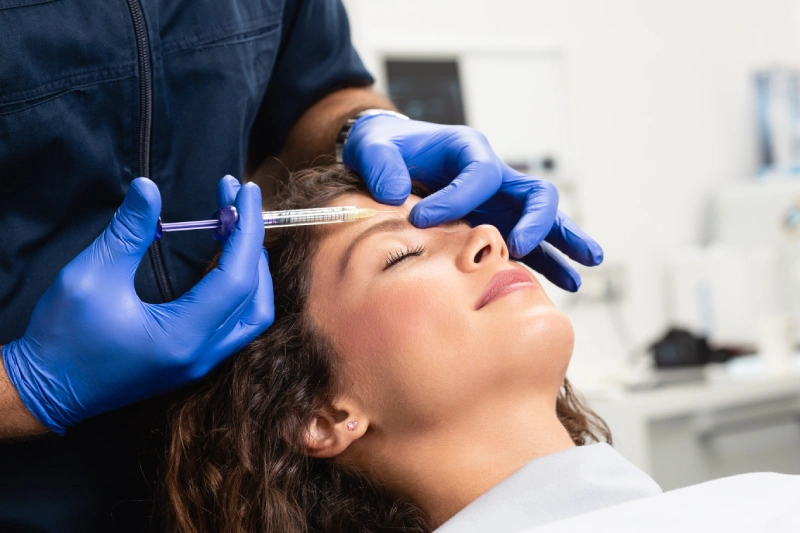
For many, professional support is essential. Dentists and specialized providers can recommend treatments or devices, such as night guards, to protect teeth while sleeping. Neuromodulator treatments, such as those offered at CONTŌR, target the muscles responsible for clenching, helping to reduce discomfort and prevent further damage. By addressing both the physical and psychological contributors to bruxism, individuals can see meaningful improvement in symptoms.
When to Seek Professional Help
While mild teeth clenching may be manageable at home, persistent jaw pain, significant tooth wear, or chronic headaches should prompt a visit to a dental professional. Difficulty sleeping or ongoing fatigue related to nighttime grinding is another signal that intervention is needed. In New York, NY, experts in teeth-clenching reduction can provide a tailored approach, ranging from neuromodulator injections to guidance on at-home practices and preventive care. Consulting a professional ensures that treatment is safe, effective, and suited to your specific needs.
Taking Action for Relief and Prevention
Managing stress and protecting your teeth requires proactive steps. Combining stress management, lifestyle adjustments, and professional dental care can significantly improve comfort and oral health. At CONTŌR, we offer personalized solutions for teeth clenching reduction, focusing on reducing muscle tension and preventing further damage. Treatments are minimally invasive, require no downtime, and can provide noticeable improvement within days.
If you’re struggling with jaw pain, headaches, or teeth wear due to bruxism caused by stress, it’s worth seeking professional guidance. Our team of experienced injectors in New York, NY, specializes in neuromodulator treatments that relax the muscles responsible for clenching, helping to alleviate discomfort and prevent long-term dental issues. Results typically last several months, with periodic maintenance ensuring lasting benefits.
For those looking for a comprehensive approach, combining professional treatment with lifestyle adjustments can deliver the best outcomes. Simple changes, such as implementing a nighttime routine, practicing mindful stress relief techniques, and protecting teeth with a night guard, can complement professional interventions. By taking these steps, you can reduce stress-related teeth grinding and maintain healthier, pain-free jaws.
Learn More and Take the Next Step
Understanding the connection between stress and teeth clenching is essential for both relief and prevention. Early intervention not only prevents long-term dental damage but also improves quality of life by reducing discomfort and promoting better sleep. For individuals seeking expert solutions, professional teeth-clenching reduction at CONTŌR offers a safe and effective option.
Book a consultation to learn how to reduce clenching today. Our team will assess your needs, discuss treatment options, and help you develop a plan that addresses both stress and its impact on your dental health. Taking action now can prevent further damage, reduce pain, and restore comfort to your jaw and teeth.
By combining awareness, lifestyle changes, and professional support, managing stress and teeth clenching is entirely achievable. With proper care, you can regain comfort, protect your teeth, and enjoy a healthier, more relaxed jaw.